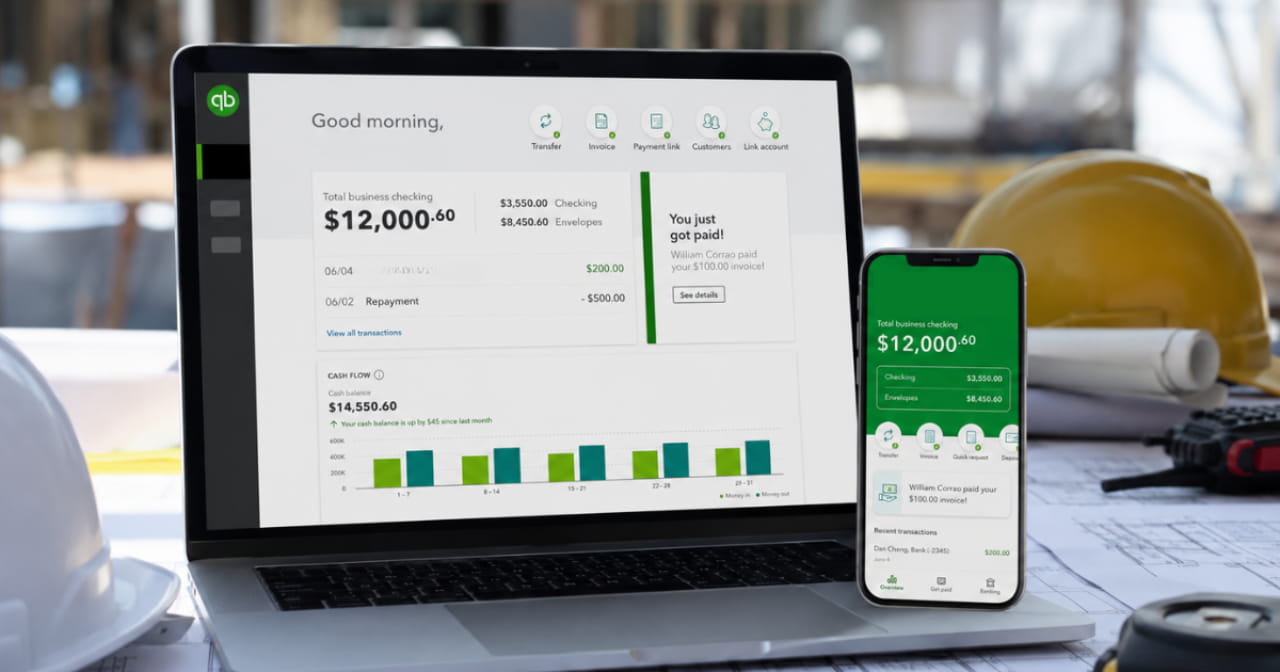

Many contractors in Colorado find themselves in a frustrating cycle: the crews are busy and the backlog is full, but the bank account does not reflect that hard work. You might be hitting revenue targets between $1M and $5M, yet the actual cash on hand feels tight. This disconnect usually stems from a specific trap in accounting for construction projects where overhead and job costs are not properly synchronized. When your books were set up for a smaller operation, they often fail to scale alongside a higher volume of subcontractors and materials.
The Mirage Of The “Busy” Contractor
It is easy to mistake high activity for high profitability. You might be a Growing General Contractor like Mike Reynolds, who built a reputation on quality work and saying yes to every lead. However, growth without systems often leads to a “mirage” effect. On paper, a project looks like it has a healthy margin, but by the time you pay your 12 to 18 employees and various subs, that margin has evaporated into unallocated overhead.
Reliable construction project accounting requires more than just recording expenses; it requires tying every dollar to a specific outcome. Without this, you are essentially busy but unsure if you are busy in the right way. This is why many owners feel they are guessing more than they are comfortable with.
Why Standard Bookkeeping Fails The Trades
Most general purpose bookkeepers treat a construction company like a retail store. They record a sale and then record expenses. But accounting in construction is unique because of the long tail of project costs. You might pay for materials months before a job is invoiced, or you might have retention withheld that does not hit your bank for a long time.
If your balance sheet does not make sense or your historical job data is unreliable, it is likely because your system was not built for the specific needs of the Industry. Standard reports will not tell you if your job costing matches the actual cash in the bank. This is a primary reason why an Established Contractor With Messy History like Dave Thompson eventually stops trusting the numbers entirely.
The Hidden Cost Of DIY And “Patchwork” Systems
Early on, handling your own books to save money makes sense. But as an Owner Who Outgrew DIY, you eventually reach a tipping point where your time is better spent managing crews than wrestling with QuickBooks. Every hour you spend on nights and weekends trying to figure out why a sub-ledger does not match is an hour not spent on high level strategy or sales.
Furthermore, patchwork solutions, where multiple bookkeepers have come and gone, each adding their own fix, create a messy history that becomes a nightmare during tax season. When your CPA starts asking questions you cannot confidently answer, it is a sign that your accounting for construction projects has lost its integrity.
Integrating Field Software With The Back Office
To fix the cash stress, you need a system where your field software talks correctly to your accounting software. Whether you use ServiceTitan, Jobber, JobTread, Contractor Foreman, AccuLynx, or AppFolio , the data must flow seamlessly into QuickBooks Online or Xero. When these systems do not line up, you end up with broken data that makes it impossible to price future work with confidence.
Effective construction project accounting acts as a bridge. It ensures that when a change order happens in the field, it is reflected in the job costing on the back end. Without this, you might be profitable on the original contract but losing money on the extras that were not tracked correctly.
Moving Toward Accuracy Over Speed
Many owners feel pressured to close the books fast, but for a contractor, accuracy is far more important than speed. You need a stable bookkeeping partner who understands that a Monthly Bookkeeping cycle is not just about reconciling a bank statement; it is about verifying that every labor hour and material invoice is categorized to the right project.
This level of detail is what allows you to survive a bank audit or a request for a line of credit. Lenders do not want to see generic reports; they want to see clean historical records that hold up under professional review. This is essential for those looking to eventually sell or restructure their business.
The Trap Of Untracked Labor And Payroll
One of the biggest leaks in accounting in construction is unallocated labor. If you are using Gusto, Paychex, Paylocity, ADP, or Rippling, your payroll costs need to be split across the jobs your team actually worked on. If all labor is simply lumped into one category, you will never know your true job profitability.
Managing Payroll management through Gusto as an add-on service ensures that these costs are allocated correctly from the start. This prevents the surprise at the end of the month when you realize a job that looked profitable was actually a loss once labor was factored in.
Compliance: Sales Tax And 1099s
For many trade owners, like Sarah Martinez in HVAC, the fear of penalties is a major stressor. Whether it is ensuring Sales tax filing for one location only is accurate or handling 1099 preparation and filing for your subcontractors, compliance is not optional.
A disorganized approach to accounting for construction projects often leads to missed deadlines or incorrect filings. By having these as supporting components of your monthly service, you ensure that everything is compliant without having to be the expert yourself.
Solving The Balance Sheet Mystery
If your balance sheet shows assets or liabilities that you know are not real, your books have become imaginary. This often happens when payments are applied incorrectly through Stripe, Square, or various bank feeds like Chase and Relay.
Clean historical records are the only way to restore your confidence. This requires a deep dive into the messy history to untangle old mistakes. A thorough Bookkeeping Clean Up is the primary entry point for restoring the health of your financial data.
The Mechanics Of Effective Job Costing
True job costing goes beyond just checking the materials list against an invoice. It involves a systematic approach to tracking every resource used on a project site. For an electrical contractor like Jason Lee, this means capturing every wire spool and every hour spent by a five-person crew.
When accounting in construction is done correctly, you move away from manual spreadsheets and into automated tracking. This allows you to see real-time data on whether you are over or under budget while the job is still active, rather than finding out three weeks after the project is closed.
Transitioning To Professional Oversight
You did not start a landscaping, roofing, or plumbing business to become a professional bookkeeper. If you find that DIY bookkeeping is slowing the business down, it is no longer cost effective to handle it yourself. By outsourcing to a firm that understands construction project accounting, you free up your time and gain the peace of mind that your numbers are right.
The goal is to provide a system that works as your business grows. When you have clear monthly reports that you actually understand, the “cash stress” begins to fade, replaced by a clear roadmap of where your money is going.

Detailed Workflow: From Estimate To Final Reconcile
A professional workflow for accounting for construction projects follows a strict path to ensure no data is lost. It starts with the estimate in your field software being mirrored in QuickBooks Online. As materials are purchased using tools like Brex or Relay, they are immediately tagged to the relevant job number.
Next, labor hours recorded by technicians are imported through Gusto. At the end of the month, a full reconciliation is performed. This process ensures that the numbers your CPA sees are the same numbers you used to manage your crews during the week. This level of consistency is what builds trust in the financial health of the company.
A Resource For Colorado Contractors
We believe in providing practical, educational resources for the local trades. We focus on real world scenarios, like how to tie overhead to specific jobs or how to handle a complex cleanup after years of rapid growth. You can read more about our approach and our commitment to the local community on our About Us page.
If you are curious about how other local firms have navigated these challenges, our Reviews highlight the experiences of contractors across Colorado who moved from guessing to knowing. We serve contractors from Littleton to Fort Collins who value accuracy over hype.
Knowing Your Numbers To Price For Profit
Ultimately, the value of professional accounting for construction projects is the ability to bid with certainty. When you know exactly what your labor, materials, and overhead cost on previous jobs, you can stop leaving money on the table. This creates a stable business that can weather the ups and downs of the Colorado market.
Whether you are looking for a complete overhaul of your current system or just need someone to take the monthly workload off your plate, having a specialist who knows the trades makes the difference. It is about having a system that adds value and insight rather than just being a necessary evil.
You can explore our Bookkeeping Packages to see how we structure our services for businesses at different revenue levels. We also offer an Industry specific focus to ensure our advice is never generic but always tailored to the specific needs of plumbers, electricians, and general contractors.
Breaking The Cycle
The trap of profitable jobs causing cash stress is a clear sign that your business has outgrown its current administration. By implementing professional accounting for construction projects, you stop being a slave to the software and start using it as a tool for growth. This transition allows you to focus on what you do best: building and serving your clients across Colorado.When your books are kept up without reminders and you finally have reliable job-level profit numbers, you gain the freedom to lead your company with clarity. No more nights spent in QuickBooks and no more guessing on your margins. It is time to treat your bookkeeping with the same level of craftsmanship you bring to your projects.If you are ready to move from guessing to knowing, you can Book A Call for a free introductory chat. If you have a specific question about your 1099s or sales tax, feel free to Contact Us directly.
FAQs
Why does my bank account not match my project profit reports?
This discrepancy often occurs because standard financial reports may not account for the specific complexities of the trades, such as unallocated labor or timing differences in material costs. To fix this, you need a system that ensures your job costing matches the actual cash in the bank. This often requires moving away from manual spreadsheets and into automated tracking that links your field software directly to your books. If your numbers currently feel like a “mirage,” it may be time to investigate The Top Bookkeeping Mistakes Construction Companies Make (and How to Avoid Them).
How do I know if I have outgrown DIY bookkeeping?
If you are spending your nights and weekends in QuickBooks or if growth is creating complexity you can no longer manage alone, you have likely reached a tipping point. For many Colorado contractors, DIY oversight leads to inconsistent monthly closes and unreliable historical data. You can explore the pros and cons of your current approach in our guide on DIY Construction Bookkeeping vs. Hiring a Bookkeeper: What Contractors Should Know.
What is the best way to handle payroll and subcontractors?
Payroll costs must be split across the specific jobs your team actually worked on rather than being lumped into one category. For subcontractors, you must ensure 1099 compliance and accurate tracking to understand your true job-level profitability. For a deeper dive into managing these complex payments, see our Payroll and Subcontractor Payments: A Bookkeeping Guide for Construction Companies.
Why is tax season so stressful for my business?
Tax season feels like a “financial autopsy” when your books haven’t been kept up throughout the year or when “patchwork” solutions have created a messy history. Clean books that a CPA can file without constant back-and-forth are essential for avoiding penalties. To prepare better, read about 7 Reasons Why Bookkeeping for General Contractors Breaks Down at Tax Time and The Construction Bookkeeping Mistakes That Derail Tax Filing Every Year.