

One of the biggest killers of businesses is cash flow, specifically when there isn’t enough to keep the business going. Cash is king, as they say but this is especially true when you are trying to keep a business alive. A lot of this comes down to paying attention to what expenses you have currently or coming up as well as how you can maintain a positive cash flow. Let’s get into it!
There are two types of cash flow, negative and positive. Negative cash flow, as you can imagine, is when a company has more expenses than income earned. This can lead to high debt and, because it can’t be maintained for long, usually bankruptcy. Positive cash flow is the opposite and ideal situation, where the business is making more than it spends. Obviously, a lot of startups have to go into negative cash flow before the business starts gaining more business, but it is best to set your goals to get out of the negative as soon as possible.
Ok, what are ways to protect your money? Bank fees (my biggest pet peeve) can add up, especially if you aren’t able to keep the minimum amount in the account. There are several free business bank accounts, including my favorite, Relay, that have absolutely no fees. It can be easy to transfer your money to a new account, so don’t get caught by the bank fee trap. Another similar issue is with merchant processing fees, which vary by each company. Shop around to see which might have the lowest fees, or get in touch with a local merchant services provider. Some can do the work for you, getting you a better rate and saving you money.
The only way for your business to make money is for your customers to pay up. Make sure to track your invoices and send reminders for late payments. For chronic late payers, it might be worth it to start introducing late fees to your invoicing system, making sure to inform your clients about this.
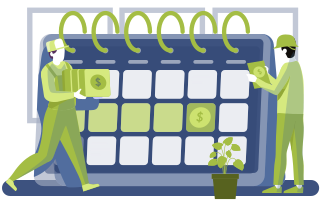
Put any large or renewing payments that you have to make on the calendar and try planning around these, such as budgeting your usual expenses to make sure you have enough money in your account to pay for these expenses. Make a list of the monthly expenses/subscriptions that you have and see which ones you can scrap or make do without.
For contractors and tradesmen who need to use an expensive tool, it can be cheaper to rent, rather than purchase on credit or with a loan. Keep a list of the tools you already have to prevent yourself from buying a duplicate (I know it’s hard, but I believe in you ?). Take care of the tools you have by giving them maintenance when they need it and protecting them from the elements.
Beware of credit cards! Make sure to only use them when you have enough money to pay them off or know that you will be able to pay it off on time. Interest rates are crazy and can add a lot to the amount of debt that you have. If you find that you aren’t able to control yourself with credit cards, switch to only using your debit card, making sure to not purchase more than what you have in your bank account.
Finally, always remember to check your financial statements and keep them updated. With your financial statements, you are able to see where your business stands and where all your money is going. Don’t go by the bank alone as this is not a good way to understand how your business is doing.
What are ways that you maintain your business cash flow? Let me know in the comments.