Bookkeeping isn’t the part of running a construction company that most contractors enjoy. Between managing crews, estimating projects, and keeping clients happy, the financial side often gets pushed to the end of the day, if it gets done at all. But accurate books are what show you whether your jobs are profitable, whether cash flow is steady, and whether you’re pricing your bids correctly. Without them, you’re guessing.
Many contractors start out handling their own books to save money. Others choose to hand things off to a professional construction bookkeeper. Both paths can work, but each comes with real trade-offs that affect your time, your accuracy, and ultimately, your bottom line.
If you’re deciding whether to DIY construction bookkeeping vs hiring a bookkeeper, here’s a clear look at what contractors should know.
The Reality of Construction Bookkeeping
Construction bookkeeping is more complex than standard small-business accounting. You’re not just tracking income and expenses. You’re managing job costing across multiple projects, retainage that sits on the books for months, progress billing, equipment purchases, depreciation, payroll for crews and subcontractors, and even sales tax rules that change from city to city.
With so many moving parts, construction bookkeeping needs more than basic categorizing or balancing a checkbook. You need to know exactly where every dollar is going on every job so you can stay profitable.
DIY Construction Bookkeeping
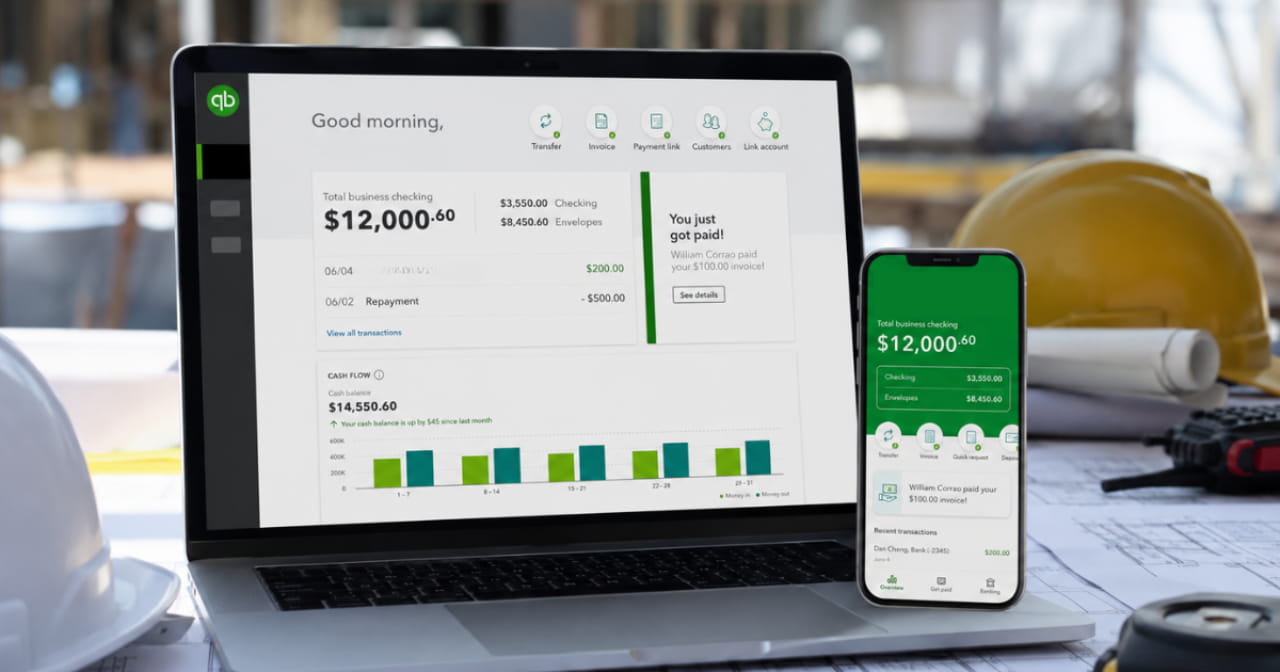
A lot of smaller or newer contractors start with DIY bookkeeping using QuickBooks Online, spreadsheets, or even handwritten invoices. It makes sense when you’re watching every dollar. It works for some contractors, at least in the beginning.
Why DIY Can Work
When you’re running lean, doing your own books does help keep upfront costs down. You also stay close to your numbers. Reviewing receipts, recording invoices, and reconciling transactions forces you to understand how money moves through your business. Plus, you can set things up however you like without coordinating with anyone else.
The Hidden Drawbacks
But DIY bookkeeping usually comes with trade-offs that show up as your business grows.
The biggest one is time. Bookkeeping can easily take 10 to 20 hours a month once you factor in invoicing, payroll, categorizing transactions, and reconciling accounts. Those are hours you could spend on estimates, managing jobs, or building relationships.
There’s also the accuracy issue. Without construction-specific knowledge, it’s easy to misclassify expenses, mix up job costs, forget retainage, or overlook bills sitting in your email. Small mistakes snowball into inaccurate job costing, bad financial reports, or tax issues down the road.
Another limitation is insight. Basic DIY systems often give you numbers, but not clarity. You might know your total profit, but not which jobs are over budget or which clients are slow to pay.
Then, there’s tax season. Many contractors discover at year-end that their books aren’t complete, which leads to scrambling, higher CPA bills, and missed deductions.
DIY bookkeeping can work if you’re running just a few projects a year with no payroll. But once things start to grow, the risks can outweigh the savings.
Hiring a Professional Construction Bookkeeper
A construction bookkeeper brings experience, accuracy, and systems built specifically for contractors. They understand retainage, job costing, WIP schedules, payroll complexity, and how to keep your accounts clean.
Why Hiring a Bookkeeper Helps
A professional ensures every transaction is recorded correctly and consistently. They know how to track job costs the right way, reconcile accounts, and prepare financials your CPA and lenders can rely on.
You also get instant time savings. Contractors who outsource bookkeeping often reclaim 10 to 20 hours a month that they can reinvest back into the field, their team, or business development.
A good bookkeeper also brings clarity to your cash flow. They help you see upcoming expenses, manage slow-paying clients, and avoid unexpected shortfalls.
And when your business grows, your bookkeeper grows with you. They help with payroll, software integrations, and more advanced reporting without disrupting your operations.
Most importantly, hiring a bookkeeper gives you peace of mind. Your books stay accurate, up to date, and ready for tax season.
Things to Consider
Hiring a bookkeeper is an investment, and monthly fees vary depending on your size and needs. You also want to make sure the person you hire truly understands construction accounting. Many don’t, and hiring the wrong person can result in expensive clean-up later.
Some contractors also feel nervous handing over control. The solution is choosing a bookkeeper who provides regular, straightforward reporting so you stay informed without doing the daily work yourself.

DIY vs. Hiring a Bookkeeper: A Quick Comparison
| Feature | DIY Bookkeeping | Professional Bookkeeper |
| Cost | Lower upfront, higher risk of errors | Monthly fee with fewer errors |
| Time Investment | 10–20 hours a month | 1–2 hours reviewing reports |
| Accuracy | Depends on your experience | High accuracy with construction expertise |
| Job Costing | Often incomplete | Detailed by job or phase |
| Cash Flow Tracking | Manual and reactive | Clear, consistent, and proactive |
| Scalability | Limited | Adapts as your business grows |
| Stress Level | High, especially at tax time | Low, books stay current year-round |
When DIY Makes Sense
DIY works when you’re a solo contractor, you have very few projects, and your bookkeeping needs are simple. If you’re comfortable with software and willing to learn, you can make it work for the time being.
If you choose the DIY route, commit to a weekly routine and consider quarterly check-ins with a professional to catch issues early.
When It’s Time to Hire a Bookkeeper
Most contractors reach a point when outsourcing is no longer optional. If you have multiple projects running at once, manage subcontractors or employees, struggle to keep up with invoices or payroll, need accurate job costing, or are preparing for growth or financing, a professional bookkeeper can be a game-changer.
At that point, bookkeeping isn’t just paperwork. It’s a core part of keeping your business profitable.
What to Look for in a Construction Bookkeeper
Not every bookkeeper is equipped for construction. The right person should understand job costing, retainage, WIP reporting, and sales tax across different cities or states. They should use construction-friendly software and provide monthly financial reports you can actually understand and use.
A good bookkeeper won’t just track your numbers. They’ll help you use them to make better decisions.
The Cost-Benefit Reality
While it’s tempting to focus on the monthly fee of a bookkeeper, the real question is: What does it cost you not to have one?
If DIY bookkeeping leads to missed invoices, late payments, under- or over-bidding jobs, unrecorded expenses, inaccurate payroll, or wasted time that stops you from earning more on projects, a bookkeeper quickly pays for themselves.
Contractors who work with construction bookkeepers often see better cash flow, more consistent profits, and less stress all year long.
Conclusion
Bookkeeping may not pour concrete or frame walls, but it’s what holds your construction business together financially. Whether you do it yourself or hire a professional, the goal is the same. You want clean, accurate books that help you understand where your money is going and how to stay profitable.
DIY bookkeeping can be a solid starting point, but as your projects grow, partnering with a construction bookkeeper becomes not only helpful but necessary. The right bookkeeper gives you more time, better insights, and confidence in every decision you make.
At Aladdin Bookkeeping, we help contractors and trades get their books in order, from setup and clean-ups to monthly support that grows with your business.
If you’re tired of spending nights catching up on bookkeeping, or you’re not sure your current system is giving you the clarity you need, schedule a consultation today.
We’ll help you find the best path forward for your construction business.