
If you run a construction business, you know how complicated payroll and subcontractor payments can get. Unlike a regular office job, your workers might clock in at three different job sites in one week. Pay rates can vary by skill level or project, and some states have specific requirements for overtime, taxes, and workers’ comp coverage.
Beyond just tracking hours, you also need to know where those hours were spent, whether it was on framing, painting or installing HVAC systems. That information matters for job costing, especially when you’re reviewing project profitability or preparing bids for future work.
Like we said, it’s complicated.
At Aladdin Bookkeeping, we work with construction companies and trades to clean up their books and keep it that way. We’ve seen how inadequate systems and processes make payroll a recurring headache for construction companies, so here’s our guide to getting it all set up the right way.
1. Start With A Clear Payroll System
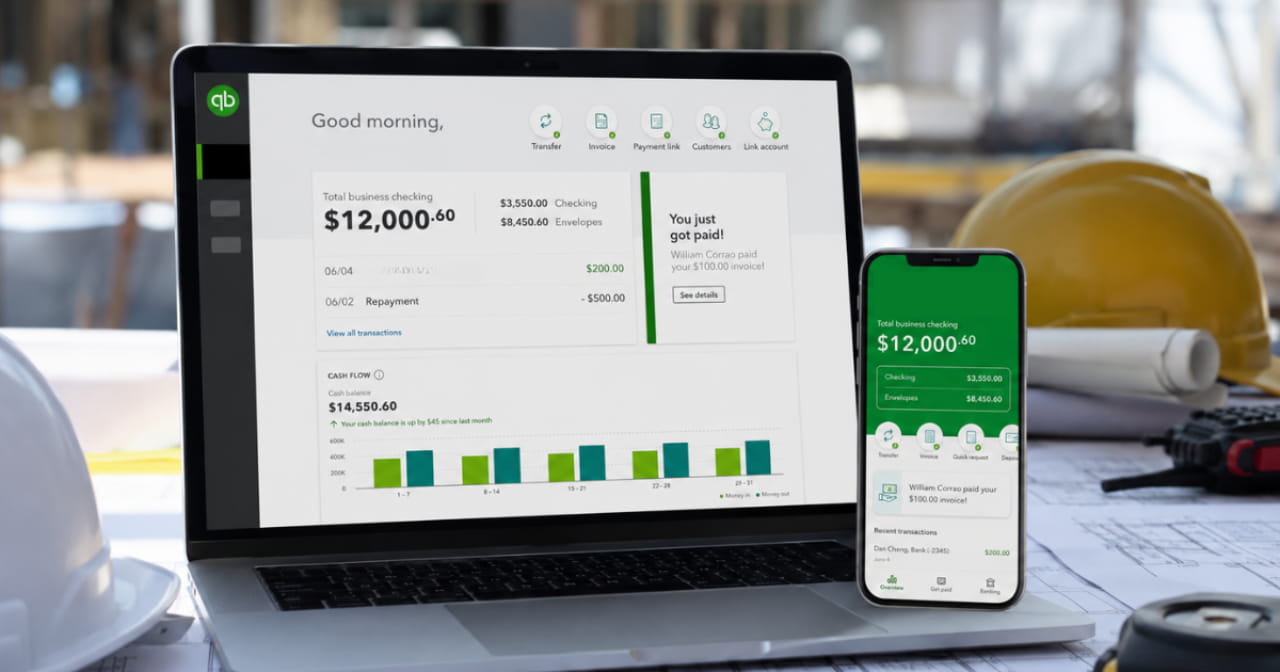
Every construction business needs a reliable way to track who worked, where, and for how long. There are many softwares like QuickBooks or Gusto that can help with this. Regardless of which one you use, it’s key to ensure each employee’s hours are assigned to the correct job or cost code.
If your electrician spent half the week wiring a renovation and the rest at a new build, make sure those hours are split correctly. This might seem tedious, but it’s what allows you to see how much each project really costs in labor, not just in total payroll.
Accurate time tracking also helps prevent overbilling or underbilling on progress invoices and keeps you compliant with overtime laws.
2. Keep Subcontractor Payments Organized
Subcontractors are part of nearly every construction project, and they bring their own bookkeeping challenges. Before you pay any sub, always collect a W-9 form; it gives you their legal name, business type, and taxpayer ID so you can issue the right forms later.
Keep a digital or physical folder for each subcontractor with their W-9, certificate of insurance and invoices in one place, and record every payment and assign it to the correct job, as soon as it’s made.
Payments made by check, ACH, or cash will need to be reported on a 1099-NEC if they total $600 or more in a year. If you pay via credit card or PayPal, those processors handle reporting for you. By staying on top of this throughout the year, your January filings become a lot less painful.
3. Understand The Difference Between Employees And Subcontractors
It’s easy to blur the lines between employees and subcontractors, especially when everyone works side-by-side on the same site. But the IRS treats them differently, and misclassifying them can be costly.
The IRS looks at it in three key areas:
- Behavioral control: Do you tell them how and when to do their work?
- Financial control: Do they bring their own tools and materials, or do you provide everything?
- Working relationship: Is it ongoing, or just for a specific project?
If you control how someone works, their hours, tools, or daily tasks, they’re probably an employee, and you’re responsible for payroll taxes and insurance.
If they bring their own tools, invoice you for specific work, and control how they get it done, they’re likely a subcontractor.
When in doubt, ask your bookkeeper or CPA to review your setup. A quick check now can save you from back taxes and penalties later.
Here’s a summary of key differences between payroll and subcontractors:
| Feature | Payroll (for employees) | Subcontractor payments |
| Withholding | The employer withholds income and payroll taxes. | The subcontractor is responsible for their own taxes. |
| Employer taxes | The employer pays their portion of Social Security, Medicare, and unemployment taxes. | No employer taxes are paid. |
| Required forms | W-4, I-9, state tax forms. | W-9. |
| Year-end reporting | Form W-2 for each employee. | Form 1099-NEC for each subcontractor paid $600+. |
| Cost category | Direct Labor (or Wages). | Contract Labor (or Subcontractor Costs). |
| Bookkeeping impact | More complex; requires specialized payroll service or software. | Simpler, but requires careful documentation and tracking. |
4. Stay Compliant With Payroll Taxes And Reports
Payroll doesn’t end with cutting checks. You’ll also need to handle withholdings, employer taxes and filings on time. That includes quarterly federal forms (like 941), unemployment contributions, and any state or local requirements.
If your crews work in multiple cities or states, make sure your payroll system records where the work was performed so the right taxes are paid to the right jurisdiction.
5. Close The Loop At Year-End
At the end of each year, take a moment to review your payroll and subcontractor records before tax season begins.
- Reconcile totals against your bank statements
- Confirm every subcontractor has a W-9 on file
- Prepare and issue 1099-NEC forms for payments over $600
- Review payroll summaries to make sure they match quarterly filings
Doing this cleanup before January saves time, prevents errors, and helps your CPA file accurately.

Pro-Tip: Use Job Costing To Stay Profitable
Once your payroll and subcontractor payments are recorded correctly, they become valuable data for understanding your business.
Job costing reports show you exactly how much each project costs in labor, materials, and subcontractor expenses. You can see which jobs are running over budget, which crews are most efficient, and where you’re losing margin.
Accurate job costing turns your bookkeeping into a management tool. Instead of guessing where the money went, you’ll know for sure, and that lets you bid smarter and plan better for next time.
Affordable Bookkeeping Services For Construction Companies
Payroll and subcontractor bookkeeping might not be glamorous, but it’s what keeps your business running smoothly. When your numbers are accurate, you can focus on the fieldwork, not the paperwork.
At Aladdin Bookkeeping, we help contractors, painters and HVAC professionals stay on top of payroll, 1099s and job costing all year long. Our services start from just $350/ month. From setup to year-end filings, we’ll keep your books clean so you can focus on building what’s next.
Ready to make your bookkeeping simple again?
Schedule a consultation today.